Prices of 10 daily necessities double as they reach the retail market from farmers: CPD study

Published: 11:24 31 July 2026
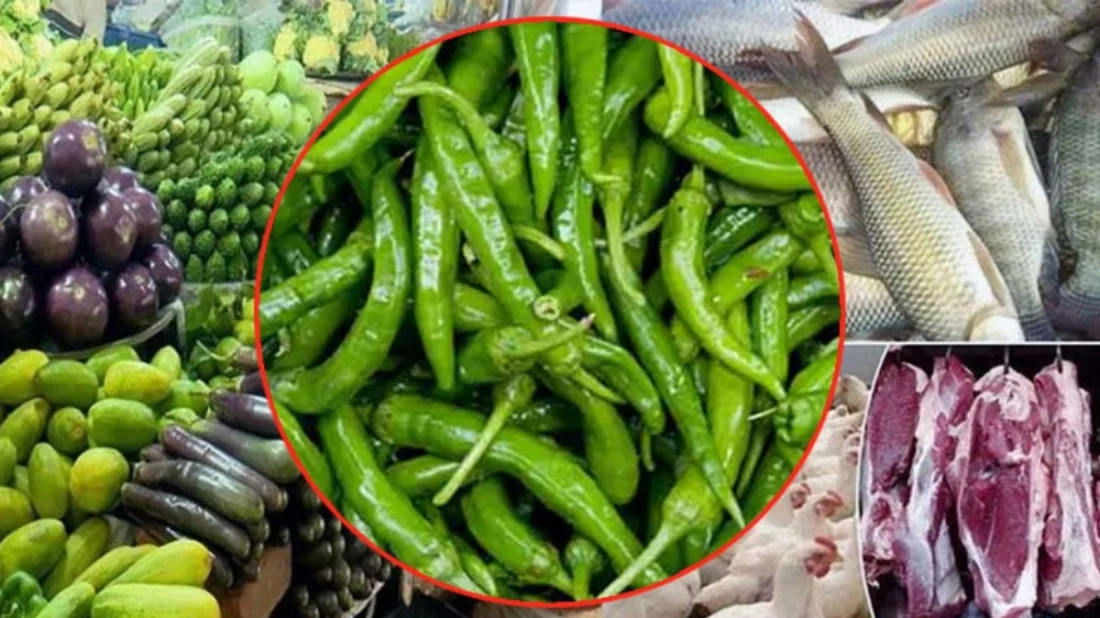
The prices of daily necessities are increasing abnormally as they pass through multiple stages to reach the consumer's plate from the farmer's field. Due to the excessive profit trend of middlemen, millers, wholesalers and retailers and extortion in the transportation system, the prices of at least 10 daily necessities in the country are sometimes more than double compared to the farmer level. This information has emerged in a study conducted by the private research organization 'Center for Policy Dialogue' (CPD). The organization released these sensational data after reviewing 810 markets of the country in a dialogue in the capital on Thursday.
The CPD study says that there are differences in the level of market-based price increase by product. In the case of rice, the price increases the most at the miller level (about 18 taka per kg), as a result of which the average price of rice almost doubles when it reaches the consumer level. Similarly, in the case of pulses and green chillies, city grocers and retailers in the brinjal and potato markets make the most profit. In addition, among other products, the price increase is 116 percent for green chillies, 87 percent for onions, 78 percent for lentils, 72 percent for brinjals, 50 percent for potatoes and 25 percent for eggs.
In the dialogue, CPD Executive Director Dr. Fahmida Khatun and other economists said that due to the lack of adequate monitoring and transparency in the market, unfair profits are being made at every level of the supply chain. As a result, farmers are being deprived of the fair price of their products, while consumers are also having to pay extra. The study has mentioned that especially in the fish market, wholesalers in the case of eggs and chicken, and traders in the case of beef are playing a major role in increasing prices.
Speaking as the chief guest at the event, Commerce Minister Khandaker Abdul Muktadir admitted that extortion and high logistics costs in the transportation of agricultural products are contributing to the country's inflation. He said that while the average logistics cost of the global GDP is 10 percent, in Bangladesh it is about 16 percent, which is important to reduce. In addition, in the dialogue, Consumers Association of Bangladesh (CAB) President AHM Shafiquzzaman said that sometimes the price of goods increases by about 30 percent due to invisible extortion in transportation. However, the Commerce Minister said that the government is taking various steps to regulate the market and improve the supply system.
Advertisement
Most Readed - Finance & Trade

- Norwegian Journalist Who Questioned Modi Has Indian Visa Revoked
- State Minister Expresses Regret After Controversy Over Kicking BNP Party Activist
- Bangladesh Thrash Sri Lanka 4-0 to Top Group A and Reach SAFF Championship Semi-Finals
- India Introduces Major Visa Reforms, Replaces Tourist Visa with ‘Visitor Visa’
- Four Home Ministry and Police Officials to Visit the Netherlands for Dog Selection
- Rashed Khan’s remarks on Amir Hamza: Calling for the death penalty by stoning
- Ziaul Hoque Polash Shares an Emotional Message
- Bangladesh to Face Pakistan in U-19 Asia Cup Semifinals
- World Leaders to Speak at COP-31; Key Figures Absent
- Rohingyas in Bangladesh Exceeds 1.5 Million; Economic Strain Intensifies
- Bangladesh Inspires India's Gen Z Movement: Student Leader Neha Bora
- Nearly Half of Households in the Country Are in Debt; Expenses Exceed Income: BBS Survey
- How many times has Pori Moni been married, and who were her husbands? Find out the details.
- Salman Khan Reveals Desire to Become a Father at 60
- Collaborators of fascism are living a lavish life abroad after looting the country's wealth: Rizvi
- Digital Forensic Labs to be Set Up in Eight Divisions: Home Minister
- LPG Traders Call Off Two-Day Strike; Shops to Remain Open
- Bangladesh Women's Cricket Team Swept 3-0 by Australia
- Electricity from Rooppur to Join National Grid in November; Second Unit Targeted for June
- Series of Drone Attacks in War-Torn Sudan Leave Over 160 Dead