The grim reality of Kashmir: A reflection of hell from “heaven on earth”

Published: 04:49 7 May 2025
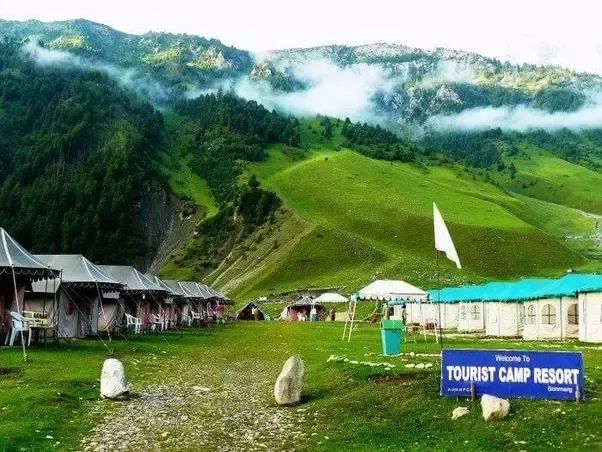
Kashmir—the land once known as “heaven on earth”—has today become a burning image of uncertainty, oppression, and silent cries. Despite the snow-capped mountains and icy winds in the background, the reality there is a terrifyingly gloomy environment. Every breath seems to be filled with fear, and every day begins with a new fear.
The recent news of India’s so-called “precision strike” inside Pakistan has added fuel to the fire of tension. Such a conflict between these two nuclear-armed countries will not stop at the border alone—it will create a terrible humanitarian crisis across the world. The international community is concerned, because if a real war breaks out, the number of casualties could exceed millions.
The Kashmir issue began in 1947, at the time of the birth of India and Pakistan. This long conflict began after the then ruler of Jammu and Kashmir, Hari Singh, decided to join India. Since then, three wars, hundreds of border clashes and countless deaths have been recorded.
On August 5, 2019, the central government revoked Article 370 of the Constitution and revoked Kashmir’s special constitutional status. Immediately after this announcement, the entire valley was surrounded by army camps. Mobile networks and the internet were shut down. Hundreds of political leaders, human rights activists and young social activists were arrested. The media was censored. In the words of locals, “it is like an invisible prison.”
Although the central government declared this move “important in the national interest”, in the eyes of Kashmiris it is an expression of an absolute policy of repression. Checkpoints, searches and sudden removals by security forces day and night are now the daily reality of Kashmiris.
Various international human rights organizations, including the United Nations and Amnesty International, have expressed concern about the deprivation of civil rights in Kashmir. A young man, who did not want to be named, said, “We are like prisoners. If we protest, we are called traitors. If we speak, we are called terrorists. We just want a normal life.”
Tourism, agriculture, and handicrafts were the driving forces of Kashmir’s economy. But political instability, frequent internet shutdowns, and an army-controlled environment have almost brought these sectors to a standstill. The coronavirus pandemic seems to be giving it the final blow.
The number of tourists has decreased by about 70 percent. Many artists and craftsmen have lost their jobs and are struggling to support their families. Unemployment among the youth has increased dramatically, which is creating a frustrated generation—who have no dreams, no security, no future.
India and Pakistan have taken positions and made statements at the United Nations many times on the Kashmir issue, but no effective action has been taken. International silence seems to deepen the suffering of Kashmiris. An entire generation is growing up amidst sieges, disappearances, military patrols and terror.
The people of a land where nature once bestowed beauty with its generous hand are now deprived of the minimum of respect, security and peace. The phrase “heaven on earth” seems to be nothing more than a cruel irony in the lives of Kashmiris today.
But the question remains—when will the days of smiling children going to school return to this land? When will nature and people once again build a peaceful future together? And when will the world’s conscience awaken to hear the sighs of Kashmir?
Advertisement
Most Readed - International

- Bangladesh Thrash Sri Lanka 4-0 to Top Group A and Reach SAFF Championship Semi-Finals
- India Introduces Major Visa Reforms, Replaces Tourist Visa with ‘Visitor Visa’
- Four Home Ministry and Police Officials to Visit the Netherlands for Dog Selection
- Rashed Khan’s remarks on Amir Hamza: Calling for the death penalty by stoning
- Ziaul Hoque Polash Shares an Emotional Message
- Bangladesh to Face Pakistan in U-19 Asia Cup Semifinals
- World Leaders to Speak at COP-31; Key Figures Absent
- Rohingyas in Bangladesh Exceeds 1.5 Million; Economic Strain Intensifies
- Kareena Kapoor Khan is firmly against using injections to maintain her beauty—here’s why!
- Bangladesh to Play a Test Against Ireland Before England Tour
- Bangladesh Inspires India's Gen Z Movement: Student Leader Neha Bora
- Nearly Half of Households in the Country Are in Debt; Expenses Exceed Income: BBS Survey
- How many times has Pori Moni been married, and who were her husbands? Find out the details.
- Salman Khan Reveals Desire to Become a Father at 60
- Collaborators of fascism are living a lavish life abroad after looting the country's wealth: Rizvi
- Digital Forensic Labs to be Set Up in Eight Divisions: Home Minister
- LPG Traders Call Off Two-Day Strike; Shops to Remain Open
- Bangladesh Women's Cricket Team Swept 3-0 by Australia
- Electricity from Rooppur to Join National Grid in November; Second Unit Targeted for June
- Series of Drone Attacks in War-Torn Sudan Leave Over 160 Dead